Cold Brew Coffee: Three Methods for the Perfect Summer Drink
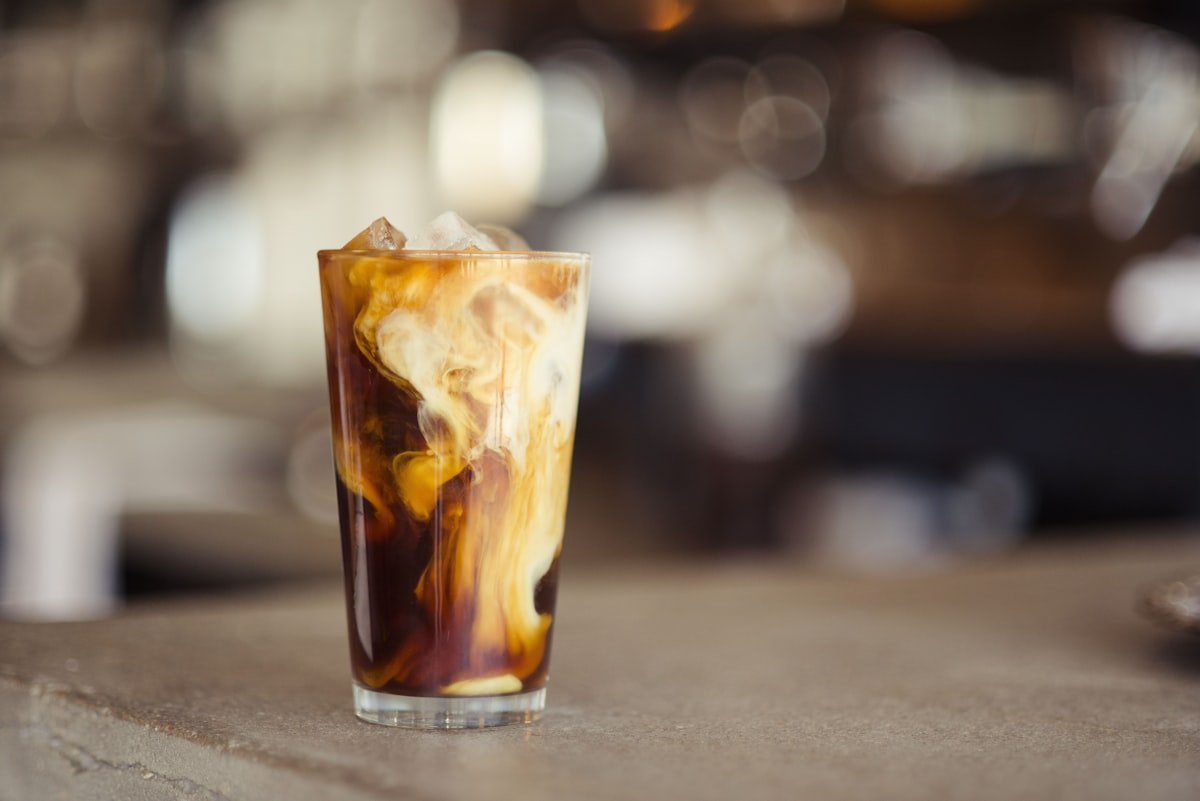
When the weather turns warm, hot coffee loses its appeal for many people. Cold brew offers a smooth, refreshing alternative that you can prepare in advance and keep in the fridge for days. But cold brew is not just one thing. There are several distinct methods, each producing a different cup character.
This article covers three approaches to cold coffee: classic immersion cold brew, slow drip cold brew, and Japanese iced coffee. Each has its strengths, and understanding the differences will help you choose the right method for your taste and schedule.
Method 1: Immersion Cold Brew
Immersion cold brew is the simplest and most popular method. You combine coarsely ground coffee with cold or room temperature water, let it steep for an extended period, and then strain out the grounds. The result is a smooth, low-acid concentrate that you can dilute to taste.
What You Need
- Coarsely ground coffee, about the texture of raw sugar
- Cold or room temperature filtered water
- A jar, pitcher, or dedicated cold brew maker
- A fine mesh strainer or cheesecloth for filtering
- A scale
The Recipe
The standard immersion cold brew ratio is 1:8 coffee to water for a concentrate. This means 100 grams of coffee to 800 grams of water. You will dilute this before drinking, typically at a 1:1 ratio with water, milk, or ice.
- Weigh your coffee and grind it coarse. Coarser than you would use for a French press.
- Combine the coffee and water in your container. Stir gently to make sure all grounds are saturated.
- Cover the container and let it steep. At room temperature, 12 to 16 hours is typical. In the refrigerator, extend that to 18 to 24 hours since the colder temperature slows extraction.
- Strain the coffee through a fine mesh strainer lined with cheesecloth or a paper filter. Strain twice if needed to remove all sediment.
- Transfer the concentrate to a clean container and refrigerate.
Flavor Profile
Immersion cold brew produces a cup that is notably smooth with low perceived acidity. The long, slow extraction at low temperature pulls sweetness and body from the coffee while leaving behind many of the compounds that cause bitterness and sharp acidity in hot brewing.
The trade-off is that cold brew tends to mute the brighter, more complex flavors that make specialty coffee interesting. If you have a delicate washed Ethiopian with jasmine and citrus notes, those nuances will largely disappear in cold brew. Save your most interesting light roasts for hot methods and use medium to dark roasts for cold brew.
Storage
Undiluted cold brew concentrate keeps well in the refrigerator for up to two weeks, though flavor is best in the first seven days. Once you dilute it, drink it within a day or two. Always store in a sealed container to prevent it from absorbing fridge odors.
Method 2: Slow Drip Cold Brew
Slow drip, sometimes called Kyoto-style or Dutch coffee, is a more elegant and complex method. Instead of immersing all the grounds in water at once, cold water drips slowly through a bed of coffee, one drop at a time.
What You Need
- A slow drip cold brew tower (brands like Hario, Yama, or Bruer make home versions)
- Medium-fine ground coffee, finer than you would use for immersion
- Cold filtered water
- Ice, optionally, to keep the water chamber cold throughout brewing
How It Works
A slow drip tower has three chambers stacked vertically. The top chamber holds water and ice. A valve controls the drip rate, typically set to one drop every one to two seconds. The middle chamber holds the coffee bed. Water drips through the coffee and collects as brewed coffee in the bottom chamber.
The entire process takes 3 to 8 hours depending on your drip rate and the amount of coffee you are brewing. A typical recipe uses 40 to 50 grams of coffee for 500 milliliters of water.
Flavor Profile
Slow drip produces a cleaner, more nuanced cup than immersion cold brew. Because the water passes through the coffee bed rather than sitting in it, you get less muddiness and more clarity. The flavor profile tends to be:
- Lighter body than immersion
- More aromatic complexity
- Subtle sweetness with tea-like qualities
- Cleaner finish
Slow drip cold brew is particularly good with medium roasts that have chocolate or nutty flavor profiles. The method brings out those characteristics beautifully.
The Downside
Slow drip equipment is more expensive and takes up more counter space than a simple jar. The brewing process also requires some attention, as you may need to adjust the drip rate during brewing if it speeds up or slows down. It is a method for people who enjoy the ritual and are willing to invest in the equipment.
Method 3: Japanese Iced Coffee
Japanese iced coffee is fundamentally different from the other two methods. You brew hot coffee directly onto ice, cooling it instantly. This is not a cold extraction method at all. It is a hot extraction served cold, and the difference in the cup is dramatic.
What You Need
- Your standard pour over setup: V60, Chemex, or Kalita Wave
- Freshly ground coffee, slightly finer than your normal pour over grind
- Hot water at your standard pour over temperature
- Ice
- A scale and timer
The Recipe
The key to Japanese iced coffee is adjusting your water ratio to account for the ice. You replace a portion of your brew water with ice in the carafe. The hot coffee melts the ice on contact, cooling instantly while reaching the correct final dilution.
Recipe: 30 grams of coffee, 500 grams total water
- Place 200 grams of ice in your carafe or server.
- Set up your pour over brewer on top with a rinsed filter and 30 grams of ground coffee.
- Brew with 300 grams of hot water using your normal pour over technique: bloom, then pour in stages.
- The hot coffee will drip directly onto the ice, melting it and cooling the coffee instantly.
- Once brewing is complete, swirl the carafe to melt any remaining ice. If there is a small amount of unmelted ice, that is fine. It will melt as you pour.
Grind slightly finer than your normal pour over setting to compensate for the reduced amount of hot water. You are extracting with less water than usual, so the finer grind helps maintain proper extraction.
Flavor Profile
This is where Japanese iced coffee shines. Because you are still extracting with hot water, you preserve the aromatic complexity, bright acidity, and origin character of the coffee. The instant cooling locks in volatile aromatics that would otherwise dissipate as hot coffee sits and cools slowly.
Japanese iced coffee is:
- Bright and complex, closer to hot pour over than to cold brew
- More acidic than immersion cold brew
- Aromatic, with floral and fruit notes intact
- Best consumed fresh, as flavor degrades within hours
If you are spending good money on high-quality single origin beans, Japanese iced coffee is the way to enjoy them cold. It preserves everything that makes specialty coffee special.
Comparing the Three Methods
| Aspect | Immersion | Slow Drip | Japanese Iced |
|---|---|---|---|
| Brew time | 12-24 hours | 3-8 hours | 3-4 minutes |
| Equipment cost | Low | High | Medium |
| Complexity | Easy | Moderate | Easy |
| Body | Heavy | Medium | Light to medium |
| Acidity | Low | Low to medium | Medium to high |
| Aromatics | Muted | Moderate | Bright |
| Shelf life | Up to 2 weeks | Up to 1 week | Drink immediately |
| Best for | Smooth everyday drinking | Nuanced sipping | Showcasing specialty beans |
Choosing the Right Coffee
Not every coffee works equally well with every cold method.
For immersion cold brew, choose medium to dark roasts with chocolate, caramel, or nutty flavor notes. These characteristics shine in the smooth, full-bodied concentrate. Natural processed coffees from Brazil or Colombia work particularly well.
For slow drip, medium roasts with balanced profiles are ideal. Look for coffees described as having stone fruit, toffee, or brown sugar notes.
For Japanese iced coffee, reach for the same light roasts you would brew hot. Washed Ethiopians, Kenyan coffees with berry notes, or floral Panamas all translate beautifully to this method.
Tips for Better Cold Coffee
- Grind fresh. Pre-ground coffee loses aromatic compounds quickly, and cold methods cannot compensate for stale grounds.
- Use filtered water. Cold brew is even more sensitive to water quality than hot methods because there is no heat to mask off-flavors.
- Do not over-steep immersion cold brew. Going past 24 hours does not make it stronger. It makes it woody and astringent as unpleasant compounds continue to extract.
- Chill your glassware. A cold glass keeps your iced coffee colder longer and reduces ice melt that dilutes your drink.
- Experiment with dilution. Cold brew concentrate is meant to be diluted. Start at 1:1 with water and adjust to your preference. Some people prefer it with milk or a splash of tonic water for a refreshing twist.
Cold coffee is not a lesser version of hot coffee. It is a different experience entirely, and when done well, it can be just as complex and satisfying. Try all three methods and find the one that fits your taste.