Coffee Cupping: Learn to Evaluate Coffee Like a Professional
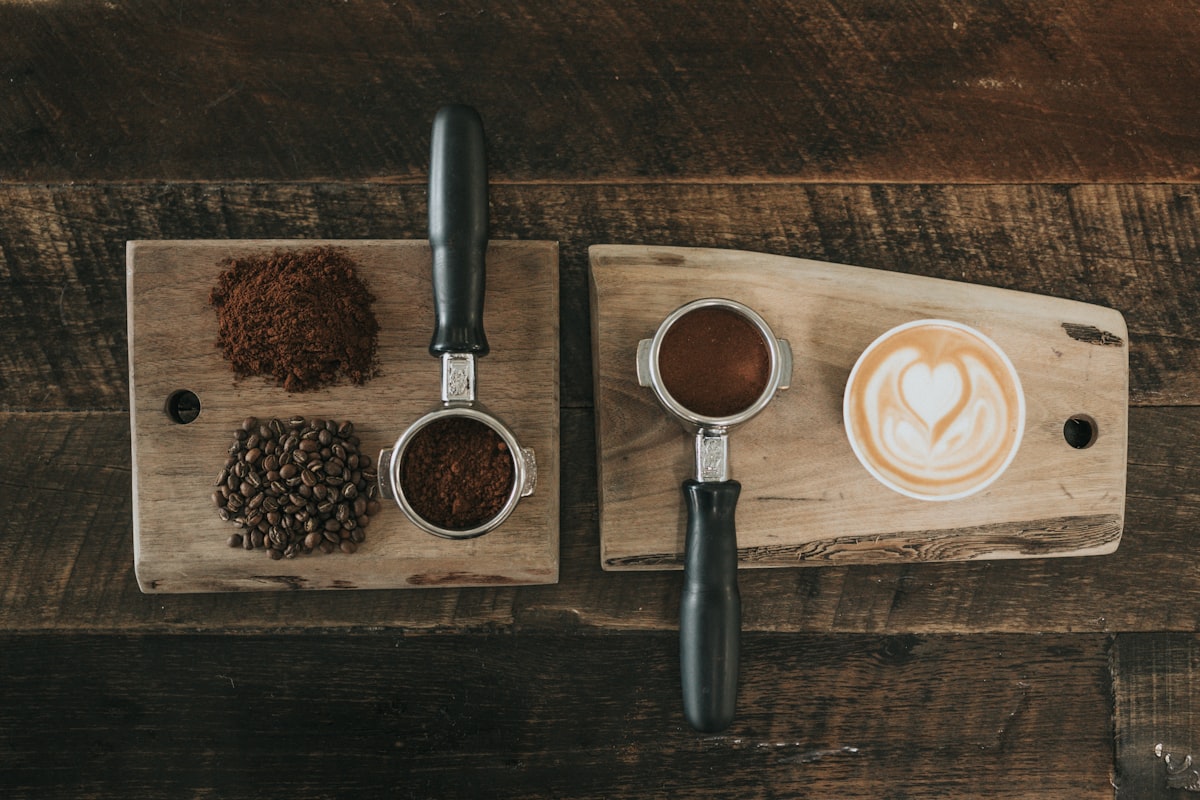
Cupping is the standardized method that coffee professionals use to evaluate and compare coffees. It is used at every level of the supply chain, from farmers assessing their harvest to roasters selecting green coffee to baristas calibrating their palate. The process is deliberately simple and controlled, stripping away the variables of brewing method so that only the coffee itself is being judged.
The good news is that you do not need professional certification to cup coffee at home. The technique is straightforward, the equipment is minimal, and the practice will transform how you taste and understand coffee.
Why Cupping Exists
Every brewing method introduces its own variables. A V60 emphasizes clarity. An espresso machine amplifies intensity. A French press adds body from oils and fines. These are all wonderful ways to drink coffee, but they make direct comparison difficult.
Cupping eliminates those variables. Every coffee is prepared identically: the same grind, the same water-to-coffee ratio, the same steep time, the same evaluation process. This controlled environment lets you isolate what the coffee itself tastes like, independent of how it is brewed.
Professional cuppers use this method to make purchasing decisions worth thousands of euros, to assign quality scores, and to identify defects. For home enthusiasts, it is the fastest way to develop your palate and learn what you like.
Equipment You Need
Cupping requires very little equipment, and you likely already own most of it.
- Cupping bowls or wide-mouthed cups holding 200 to 250 milliliters each. You need one per coffee you are evaluating. Simple ceramic soup bowls work perfectly.
- A grinder set to a medium-coarse grind, slightly coarser than what you would use for pour over.
- A scale accurate to 0.1 grams.
- A kettle capable of heating water to just off the boil, around 93 to 96 degrees Celsius.
- Cupping spoons with a deep, round bowl. Soup spoons work as a substitute.
- Two glasses of hot water for rinsing your spoon between samples.
- A timer.
- Fresh coffee beans, ideally two or more different coffees for comparison.
That is it. No filters, no special brewers, no technical skills required.
The SCA Cupping Protocol
The Specialty Coffee Association has a standardized cupping protocol that professionals follow worldwide. Here is the process adapted for home use.
Preparation
Use a ratio of 8.25 grams of coffee per 150 milliliters of water. This is the SCA standard. For a typical cupping bowl, that works out to roughly 11 grams of coffee for 200 milliliters of water. Adjust based on your bowl size, but keep the ratio consistent across all samples.
Grind each coffee separately, cleaning or purging the grinder between samples. Grind directly into the cupping bowls. The grind should be medium-coarse, similar to coarse table salt.
Set up your bowls in a row, with some whole beans from each coffee placed next to its bowl for reference.
Step 1 - Evaluate the Dry Fragrance
Before adding water, lean in and smell the freshly ground coffee in each bowl. This is the dry fragrance. Note what you detect. Is it floral? Nutty? Chocolatey? Fruity? Write down your first impressions, even if they are vague.
Step 2 - Add Water and Evaluate the Wet Aroma
Start your timer. Pour hot water directly onto the grounds, filling each bowl to the rim. A crust of grounds will float to the top. Do not stir. Do not disturb the crust. Let the coffee steep for exactly four minutes.
During the steep, the aromatic compounds are releasing into the air above the crust. Lean close and take note of how the aroma differs from the dry fragrance.
Step 3 - Break the Crust
At four minutes, take your cupping spoon and push it through the crust at the back of the bowl, drawing it toward you along the surface. As the crust breaks, lean in close and inhale. This is the most aromatic moment of the cupping, and it is when professionals gather crucial information about the coffee’s character.
Break each bowl’s crust, rinsing your spoon in hot water between samples. After breaking all the crusts, use two spoons to skim off the remaining foam and floating grounds from the surface. You want a relatively clean surface to slurp from.
Step 4 - Taste
Wait until the coffee cools to a slurpable temperature, around 70 degrees Celsius. Take a spoonful and slurp it vigorously. Yes, slurping is correct and necessary. The aspiration draws the coffee across your entire palate and aerosolizes it so your retronasal passages can detect aromatic compounds.
Evaluate each coffee for the following attributes. You do not need to score them numerically on your first attempts. Simply note your impressions.
Flavor: The overall taste impression. What does it remind you of?
Acidity: The bright, tangy quality. Is it sharp like citrus, soft like stone fruit, or muted?
Body: The weight and texture of the coffee on your tongue. Is it light and tea-like, medium and silky, or heavy and syrupy?
Sweetness: The perception of sweetness. Quality coffee should have some inherent sweetness. Its absence suggests defects or poor processing.
Aftertaste: What lingers after you swallow. Is it pleasant and long, or bitter and fleeting?
Balance: How the above attributes relate to each other. Does one dominate harshly, or do they complement each other?
Step 5 - Evaluate as It Cools
This is a step many beginners skip, and it is one of the most revealing. Continue tasting each coffee as it cools from warm to room temperature. Coffee changes dramatically as it cools. Flavors that were hidden by heat emerge. Sweetness often increases. Defects become more apparent.
Professional cuppers evaluate at multiple temperature stages for exactly this reason. A coffee that tastes great hot but falls apart at room temperature is less impressive than one that remains complex and pleasant throughout the cooling process.
Using the Flavor Wheel
The SCA Flavor Wheel is the most widely used reference tool for coffee tasting vocabulary. It organizes flavor descriptors in concentric rings, from broad categories at the center (fruity, nutty, chocolatey) to specific descriptors at the outer edges (blueberry, hazelnut, dark chocolate).
When cupping, start at the center of the wheel. If you taste something fruity, move outward. Is it berry-like? Citrus? Stone fruit? Is it specifically raspberry, or more like dried cranberry? The wheel helps you move from vague impressions to specific language.
You do not need to memorize the entire wheel. Over time, you will develop your own reference points. When someone says a coffee tastes like “blueberry muffin,” they are not being pretentious. They are using a shared vocabulary to communicate a specific sensory experience.
Developing Your Palate
Palate development is a skill, not a talent. It improves with deliberate practice. Here are approaches that accelerate the process.
Cup regularly. Even once a week with two different coffees will build your reference library faster than you expect. Comparison is the most powerful learning tool. It is much easier to say “this one is more acidic than that one” than to evaluate a single coffee in isolation.
Taste the reference. Buy small amounts of coffees from different origins and processing methods. A washed Ethiopian, a natural Brazilian, a honey-processed Costa Rican, and a washed Kenyan will give you four very different flavor profiles to calibrate against.
Eat mindfully. Your coffee palate benefits from paying attention to food in general. When you eat a strawberry, notice its specific flavor. When you smell a rose, register it. These sensory memories become the reference points you use when cupping.
Take notes. Write down what you taste every time. Your notes will be clumsy at first. That is normal. Over time they will become more precise and more useful. Look back at early notes after a few months and you will see how far your palate has developed.
The most common mistake in palate development is waiting until you feel ready. You are ready now. Start cupping, start noting, and trust that the skill builds through practice.
Cup with others. Tasting with other people is incredibly valuable. Someone might say “I get mango” and suddenly you can taste it too. Shared vocabulary unlocks perception. If you can find a local cupping event at a specialty roaster, attend it.
Practical Tips for Home Cupping
- Cup at least two coffees at a time. Comparison makes evaluation dramatically easier. A single coffee in isolation is hard to assess.
- Cup the same coffee over several days. Coffee evolves as it rests after roasting. Cupping the same lot on day 7, day 14, and day 21 teaches you about how rest period affects flavor.
- Use the same water every time. Water composition affects extraction and flavor. Use the same filtered water for consistency.
- Do not overthink it. If you taste something but cannot name it, describe the sensation instead. “Bright and juicy” is perfectly valid even if you cannot pinpoint the specific fruit.
- Calibrate with a friend. Cup the same coffees independently, write down your notes, then compare. You will be surprised at both the overlap and the differences.
From Cupping to Brewing
The ultimate purpose of cupping, for home enthusiasts, is to inform how you brew. When you cup a new coffee and discover it has bright citrus acidity and a delicate body, you know a pour over with a slightly finer grind and higher temperature will showcase those qualities. When you cup something with heavy chocolate sweetness and low acidity, you might reach for a French press or an AeroPress recipe that emphasizes body.
Cupping teaches you to taste with intention. And once you taste with intention, every cup you brew becomes an opportunity to learn something new.