The Nordic Coffee Wave: Why Scandinavia Leads Specialty Coffee
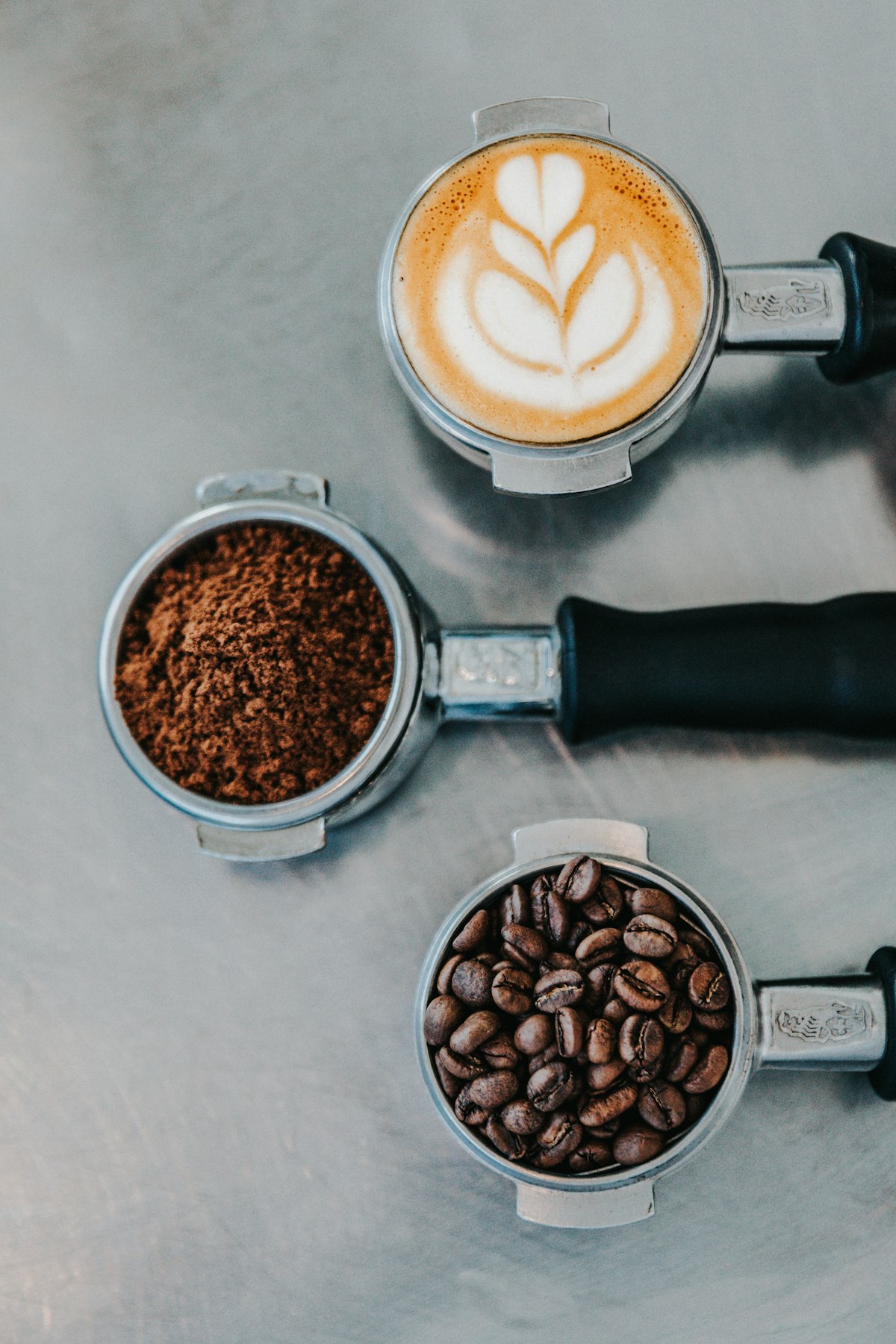
When the specialty coffee world looks for its leading edge, it looks north. The Nordic countries, Finland, Sweden, Norway, Denmark, and Iceland, have established themselves as global leaders in specialty coffee, producing some of the world’s most celebrated roasters, winning a disproportionate share of international barista competitions, and developing a coffee philosophy that has influenced cafes and roasteries on every continent.
This is not an accident. The Nordic dominance in specialty coffee is the result of specific cultural, economic, and historical conditions that created the perfect environment for a quality-obsessed coffee movement to take root and flourish.
The Numbers Behind the Culture
The Nordic countries are already the world’s most prolific coffee drinkers. Finland leads the planet at over 12 kilograms per capita annually. Norway, Denmark, Sweden, and Iceland all rank in the global top ten. This baseline of extraordinary consumption means that coffee is not a niche interest in these countries. It is a central cultural practice, deeply embedded in daily life and social ritual.
High consumption alone does not produce a specialty movement. Plenty of coffee-drinking nations stick with commodity-grade products. What makes the Nordics different is the combination of volume with a cultural orientation toward quality, craftsmanship, and an almost obsessive attention to doing things properly.
Why Light Roasting Became the Nordic Standard
The most recognizable characteristic of Nordic specialty coffee is the roast profile. Nordic roasters push lighter than almost anyone else in the world. Where American third wave roasters might stop at a light-medium level, Nordic roasters frequently go lighter still, producing coffees that are pale in color, high in acidity, and explosively fruity or floral.
This approach has deep roots. The traditional Nordic preference, especially in Finland and Norway, was always for lighter-roasted filter coffee. While southern Europe developed its identity around dark-roasted espresso, the North was drinking pale, acidic brews long before the specialty movement gave this practice a theoretical framework.
When specialty coffee arrived, Nordic roasters did not need to convince their market that light roast was legitimate. The palate was already there. What they did was take that existing preference and elevate it with better sourcing, more precise roasting technology, and a scientific understanding of how roast development affects flavor.
The Nordic roast profile is distinguished by several characteristics:
- High acidity, which is treated as a virtue rather than a flaw. In a well-roasted Nordic coffee, acidity reads as brightness, as juicy fruit, citrus sparkle, or wine-like complexity.
- Origin transparency. Light roasting preserves the flavors that come from the bean’s variety, terroir, and processing method. A Nordic-roasted Ethiopian tastes recognizably different from a Nordic-roasted Kenyan in a way that dark roasting would obscure.
- Sweetness through development. The best Nordic roasters find a sweet spot where the coffee is developed enough to avoid grassy or vegetal flavors but light enough to retain maximum origin character. This requires precise control and excellent green coffee.
- Clean finish. Nordic coffees tend to be brewed as filter, often through paper, producing a clean cup that lets the subtle flavors come through without interference from oils or sediment.
The Nordic roast philosophy can be summarized simply: the roaster’s job is not to add flavor to the coffee but to reveal the flavor that is already there.
Direct Trade and Relationship Coffee
Nordic roasters were early adopters of direct trade, the practice of building long-term purchasing relationships directly with coffee producers rather than buying through commodity brokers. This approach developed partly out of quality concerns, since the best lots often never reach commodity markets, and partly out of ethical conviction.
The Nordic model of direct trade typically involves:
Regular farm visits. Nordic roasters travel to origin frequently, often annually, to visit their partner farms, evaluate new lots, and maintain personal relationships. These trips are not marketing exercises. They are the foundation of the sourcing model.
Transparency in pricing. Many Nordic roasters publish the prices they pay to producers, which are typically well above fair trade minimums and commodity market rates. This transparency reflects a broader Nordic cultural value and builds trust with both producers and consumers.
Quality-focused collaboration. The best relationships go beyond simple buying and selling. Roasters provide feedback on processing experiments, share cupping data, and sometimes fund infrastructure improvements at the farm level. Producers, in turn, set aside their best lots for partners they trust.
Long-term commitments. Rather than chasing the cheapest price each season, Nordic roasters commit to buying from the same producers year after year. This stability allows farmers to invest in quality improvements that would be too risky without a guaranteed buyer.
This model has become influential globally. Many specialty roasters outside the Nordics now cite Nordic companies as the inspiration for their own direct trade programs.
Competition Success
The Nordic countries have dominated international coffee competitions to a degree that seems out of proportion with their population size. The World Barista Championship, the World Brewers Cup, and the World Cup Tasters Championship have all been won by Nordic competitors with remarkable frequency.
Several factors contribute to this competitive success:
- Infrastructure. The Nordic specialty community is well organized, with strong national associations, regular training events, and a culture of knowledge sharing that helps competitors prepare at the highest level.
- Employer support. Leading Nordic roasters and cafes actively support their staff in competition, providing paid training time, access to equipment, and mentorship from previous competitors.
- A culture of excellence. The same Nordic attention to detail that produces exceptional design, architecture, and cuisine drives competitors to prepare with extraordinary thoroughness. Nothing is left to chance.
- Community size. The Nordic specialty community is large enough to be competitive but small enough that everyone knows everyone. This creates a collaborative environment where techniques and innovations spread quickly.
Competition success matters beyond the trophies themselves. It creates visibility for Nordic coffee culture, attracts talent, and drives innovation that flows back into everyday cafe service.
The Nordic Cafe Experience
Walking into a specialty cafe in Oslo, Stockholm, Copenhagen, or Helsinki feels different from walking into a specialty cafe in New York, London, or Melbourne. The differences are not just aesthetic, though the visual identity of Nordic cafes, with their minimalism, natural light, and material honesty, is instantly recognizable.
The deeper difference is in approach. Nordic cafes tend to emphasize filter coffee over espresso, which is a significant philosophical statement. Filter brewing, especially methods like the Kalita Wave or batch brew, prioritizes clarity and balance. It is a democratic method, producing a cup that requires no additions or modifications to be enjoyable.
The service style is characteristically understated. Nordic baristas are knowledgeable and passionate but rarely performative. The interaction is warm but not effusive, helpful but not intrusive. This reflects broader cultural norms around personal space and sincerity.
Food programs in Nordic cafes often emphasize baked goods, particularly the region’s extraordinary tradition of cardamom buns, cinnamon rolls, and seasonal pastries. The coffee-and-pastry pairing is taken seriously, and many cafes bake in-house to maintain quality and control.
Individual Country Contributions
While the Nordic countries share a common coffee philosophy, each has contributed something distinct to the movement.
Norway, and Oslo in particular, is often credited with pioneering the Nordic light roast approach in a specialty context. Norwegian roasters were among the first to articulate why light roasting was not just a preference but a superior approach to highlighting quality.
Denmark brought an entrepreneurial energy and design consciousness that helped Nordic coffee culture reach a global audience. Copenhagen’s cafe scene became a model for how specialty coffee and design thinking could reinforce each other.
Sweden contributed scale and accessibility. Swedish roasters and cafe chains demonstrated that specialty quality could be maintained while serving a broader market, helping to move specialty from niche to mainstream.
Finland brought the world’s deepest coffee culture and a consumer base already calibrated to appreciate light roast character. Finnish roasters and baristas have increasingly made their mark on the international stage, combining technical excellence with the country’s inherent understanding of coffee as a daily essential.
Iceland, despite its tiny population, has produced roasters and baristas that punch far above their weight, demonstrating that quality comes from commitment, not from market size.
Global Influence
The Nordic coffee wave has reshaped specialty coffee worldwide. When a cafe in Tokyo or Sao Paulo or Melbourne serves a light-roasted, single-origin filter coffee with detailed tasting notes on the menu, it is participating in an approach that was largely developed and popularized in Scandinavia.
Nordic roasters have become reference points for quality. Coffees roasted in Oslo, Copenhagen, Gothenburg, or Helsinki are shipped to subscribers and wholesale clients around the world. The Nordic competition circuit has produced baristas who now train, consult, and open cafes on every continent.
Perhaps most importantly, the Nordic wave demonstrated that there was a viable alternative to the Italian espresso model that had dominated specialty’s early years. The Nordics showed that filter coffee could be prestigious, that light roasting could be precise rather than under-developed, and that a cafe could be world-class without a single gilded espresso machine in sight.
The Nordic coffee wave is not a trend that will pass. It is a permanent expansion of what coffee can be, rooted in cultures that have been drinking more of it, and thinking more carefully about it, than almost anywhere else on earth.