Roast Levels Explained: From Light to Dark and Everything in Between
If you handed the same bag of green coffee beans to five different roasters, you would get five different coffees. Not slightly different. Fundamentally different. The same Ethiopian Yirgacheffe that tastes like jasmine and lemon at a light roast will taste like dark chocolate and burnt sugar at a dark roast. Roasting does not just prepare coffee for brewing. It defines what the coffee will taste like.
Understanding roast levels gives you a framework for knowing what to expect from a bag before you brew it, and it helps you choose beans that match your preferences and your brewing method.
What Happens During Roasting
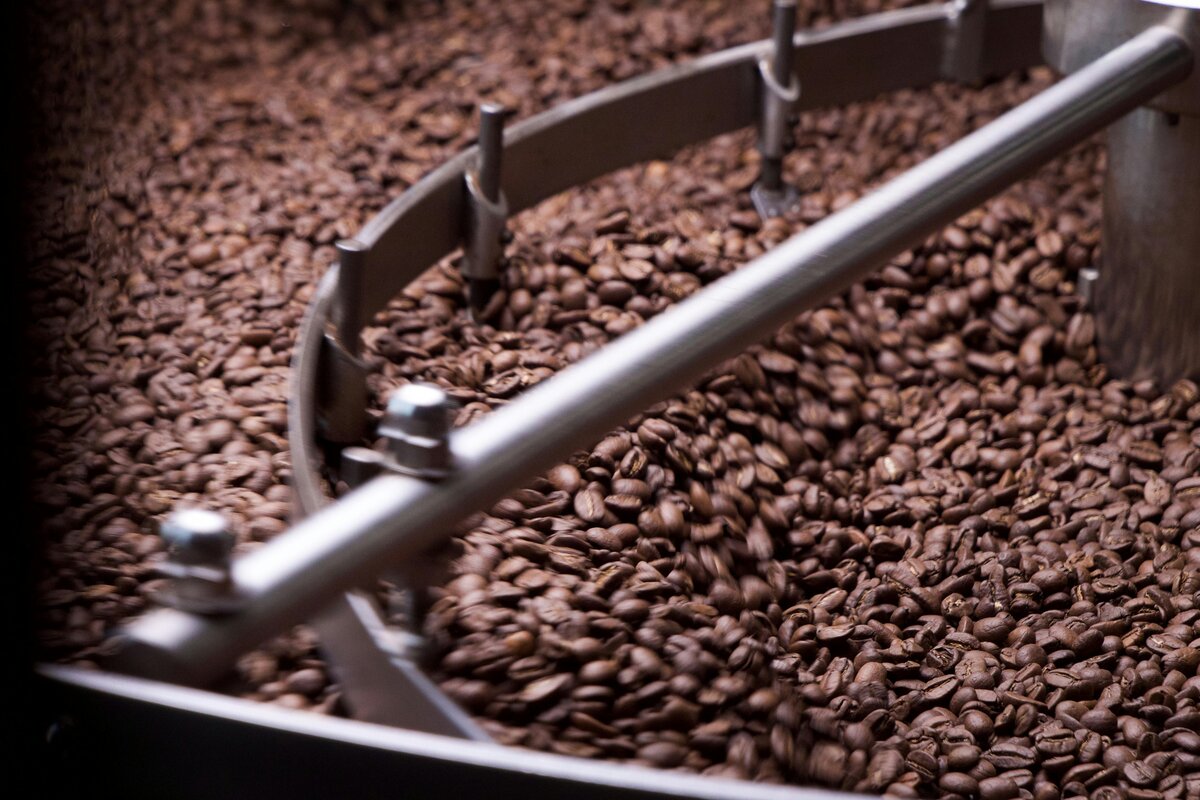
Green coffee beans are dense, grassy-smelling seeds with none of the flavors we associate with coffee. Roasting transforms them through a series of chemical reactions triggered by heat.
In the first phase, the beans lose moisture. They turn from green to yellow and smell like toasted grain or bread. This drying phase accounts for roughly the first half of the roast.
As temperature climbs, the Maillard reaction begins. This is the same chemical process that browns bread crust and seared meat. Sugars and amino acids react to create hundreds of new flavor compounds, including many of the caramel, nutty, and chocolatey notes we associate with coffee.
At the same time, acids within the bean are developing and then beginning to break down. Organic acids like citric, malic, and acetic acid contribute brightness and complexity early in the roast but degrade at higher temperatures. This is why light roasts tend to be more acidic than dark roasts.
First Crack
The defining moment in coffee roasting is first crack. As internal pressure from steam and carbon dioxide builds inside the bean, the cellular structure fractures with an audible popping sound, similar to popcorn. First crack typically occurs when the internal bean temperature reaches about 196 degrees Celsius.
First crack is the dividing line between underdeveloped coffee and drinkable coffee. Before first crack, the beans are not fully roasted. At first crack, they have reached a light roast level, and the roaster has a decision to make about how much further to go.
First crack is not a single pop but a rolling series of cracks that can last 60 to 90 seconds. Where within this window the roaster stops determines whether the coffee is a light roast, a light-medium, or something in between.
Second Crack
If roasting continues well beyond first crack, a second round of cracking occurs at around 224 degrees Celsius. Second crack sounds different from first crack, more like a snapping or crackling than popping, and it indicates that the cellular structure of the bean is breaking down more aggressively. Oils migrate to the surface, and the bean becomes visibly shiny.
Second crack marks the transition into dark roast territory. Roasting past second crack pushes the coffee toward very dark levels where the character of the roast itself dominates over any origin flavors.
Light Roast
Light roasted beans are dry on the surface with no visible oil. Their color ranges from light brown to cinnamon. They are dropped from the roaster at or shortly after the beginning of first crack.
Flavor characteristics:
- Highest acidity of any roast level, often described as bright, citrusy, or wine-like
- Lightest body, sometimes tea-like
- Most origin character, meaning the flavors that come from the variety, terroir, and processing are most prominent
- Floral, fruity, and herbal notes are common
- Less bitterness than darker roasts
- Can taste sour or underdeveloped if roasted too lightly
Light roasts are the standard in Nordic roasting traditions, particularly in Scandinavian countries where specialty coffee culture prizes origin transparency. A well-roasted light coffee from a skilled roaster can be extraordinarily complex, with layers of flavor that evolve as the cup cools.
The challenge with light roasts is that they are less forgiving. Poor green coffee quality, defects, and underdevelopment are all more noticeable because there is less roast flavor to mask them.
Medium Roast
Medium roasts are a richer brown with still no oil on the surface. The beans were dropped from the roaster well after first crack has finished but before second crack begins. This is the broadest and most common roast range commercially.
Flavor characteristics:
- Balanced acidity, present but not dominant
- Fuller body than light roasts
- A blend of origin character and roast-derived flavors
- Caramel, chocolate, and nutty notes become more prominent
- Stone fruit and brown sugar are common descriptors
- Moderate bitterness
Medium roasts occupy a sweet spot that appeals to most palates. You still get some origin character, particularly from distinctive coffees like Kenyan or Ethiopian, but the roast contributes enough sweetness and body to round out the cup. Many specialty roasters label this range as “filter roast” or “omni roast,” indicating it works well across multiple brewing methods.
Dark Roast
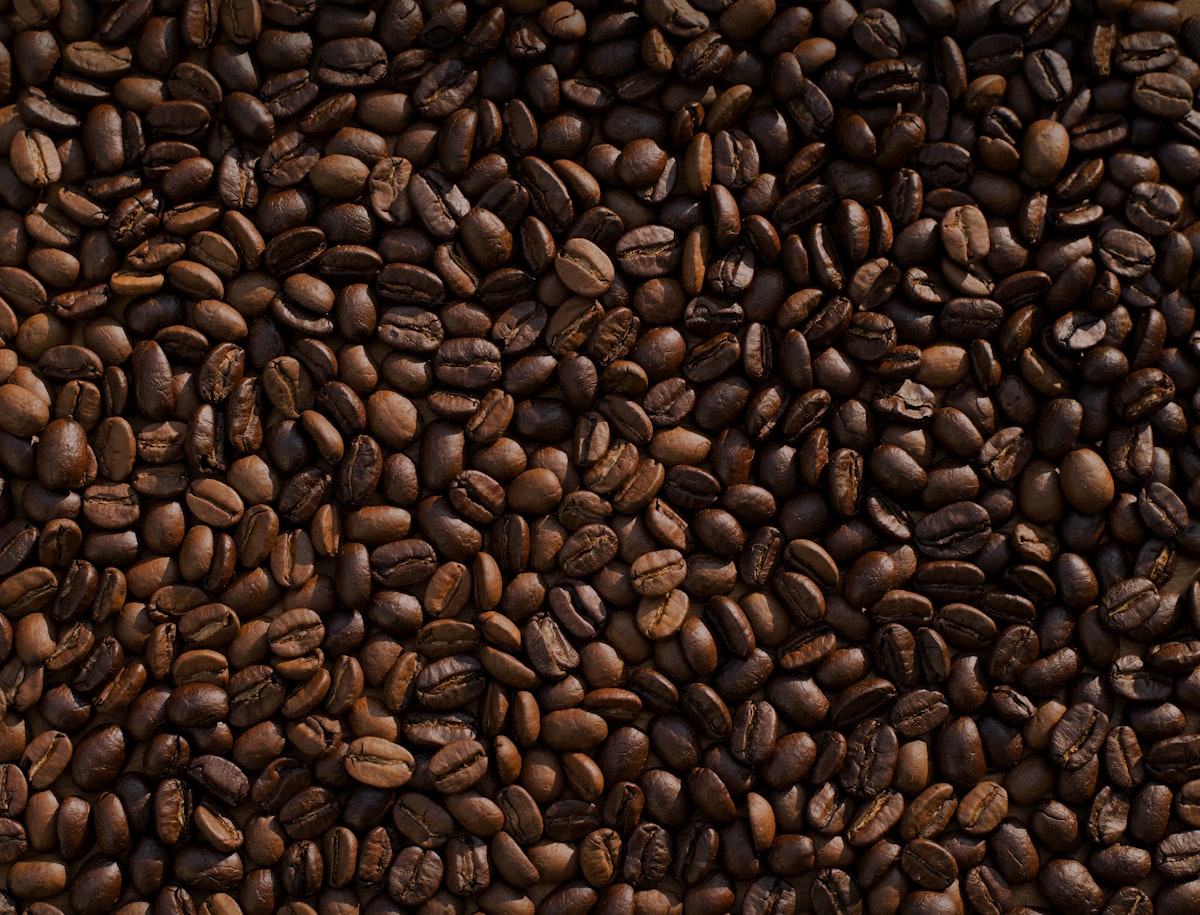
Dark roasted beans range from dark brown to nearly black and have a shiny, oily surface. They have been roasted to second crack or beyond. The beans are physically larger than lighter roasts because the internal gases have expanded the cellular structure, but they are lighter in weight because more moisture and organic material has been driven off.
Flavor characteristics:
- Low acidity, sometimes none
- Heavy, full body
- Dominant roast character, meaning the flavors come primarily from the roasting process itself
- Dark chocolate, smoky, burnt sugar, and ashy notes
- Higher bitterness
- Little to no origin character remains
Dark roasts are the tradition in Italian and French roasting styles, where espresso blends have historically been roasted dark to produce a heavy, bittersweet shot. The roast character is consistent and predictable, which is why many commercial coffee brands default to dark roasts. The flavor is familiar and reproducible regardless of the origin of the green coffee.
There is nothing inherently wrong with dark roast coffee. A well-executed dark roast from quality beans can be deeply satisfying. The issue is when dark roasting is used to mask low-quality or defective green coffee, which unfortunately is common in commodity markets.
Nordic vs Italian Roasting Traditions
The contrast between Nordic and Italian roasting philosophies illustrates how deeply roast level affects the coffee experience.
Nordic roasting prioritizes the bean. Roasters in Finland, Norway, Sweden, and Denmark typically roast light to medium-light, aiming to showcase the origin characteristics of high-quality single-origin coffees. The goal is transparency. You should be able to taste where the coffee was grown, how it was processed, and what makes it unique. Nordic roasts demand excellent green coffee because there is nowhere for flaws to hide.
Italian roasting prioritizes the roast. The traditional Italian espresso is built on a dark-roasted blend, often combining Brazilian and robusta coffees for body and crema with smaller amounts of washed Central American or African coffees for complexity. The roast provides the dominant flavor, a bittersweet, chocolatey, full-bodied cup that stands up to milk and sugar. Individual origin characteristics are secondary.
Neither approach is superior. They represent fundamentally different philosophies about what coffee should taste like.
How Roast Level Interacts With Brewing
Different roast levels behave differently during extraction, and matching your roast to your brewing method can make a significant difference.
Light roasts and pour over are a natural pairing. Pour over methods produce a clean, transparent cup that allows the complex acidity and floral notes of light roasts to shine. The paper filter removes oils that might muddy the delicate flavors.
Medium roasts are versatile. They work well with nearly any brewing method, from pour over to AeroPress to drip machines. Medium roasts are also the most common choice for single-origin espresso among specialty roasters, offering enough body for espresso without losing origin character entirely.
Dark roasts and espresso are the classic combination. The heavy body and low acidity of dark roasts produce a thick, syrupy shot that blends well with milk. Dark roasts also work well in French press and moka pot, both methods that produce a heavier, more oil-rich cup.
Dark roasts and cold brew pair well because cold extraction naturally produces a low-acid, smooth cup, and dark roasts amplify that smoothness. Light roasts used in cold brew can taste flat because the cold water does not extract the bright acids that make them interesting when brewed hot.
Choosing Your Preferred Roast Level
Roast preference is personal, and there is no objectively correct answer. But a few guidelines can help you narrow down what you are likely to enjoy.
- If you drink coffee black and enjoy tea, wine, or complex flavors, start with light to medium roasts from specialty roasters.
- If you add milk or sugar to your coffee, medium to dark roasts will hold up better against the added ingredients.
- If you value consistency and a familiar flavor profile, dark roasts deliver that reliability.
- If you enjoy exploring how the same coffee can taste different, try buying the same origin at multiple roast levels and brewing them side by side.
The most important thing is to buy from roasters who are intentional about their roast level rather than defaulting to dark because it is easier. A skilled roaster at any level on the spectrum is producing something worth drinking.